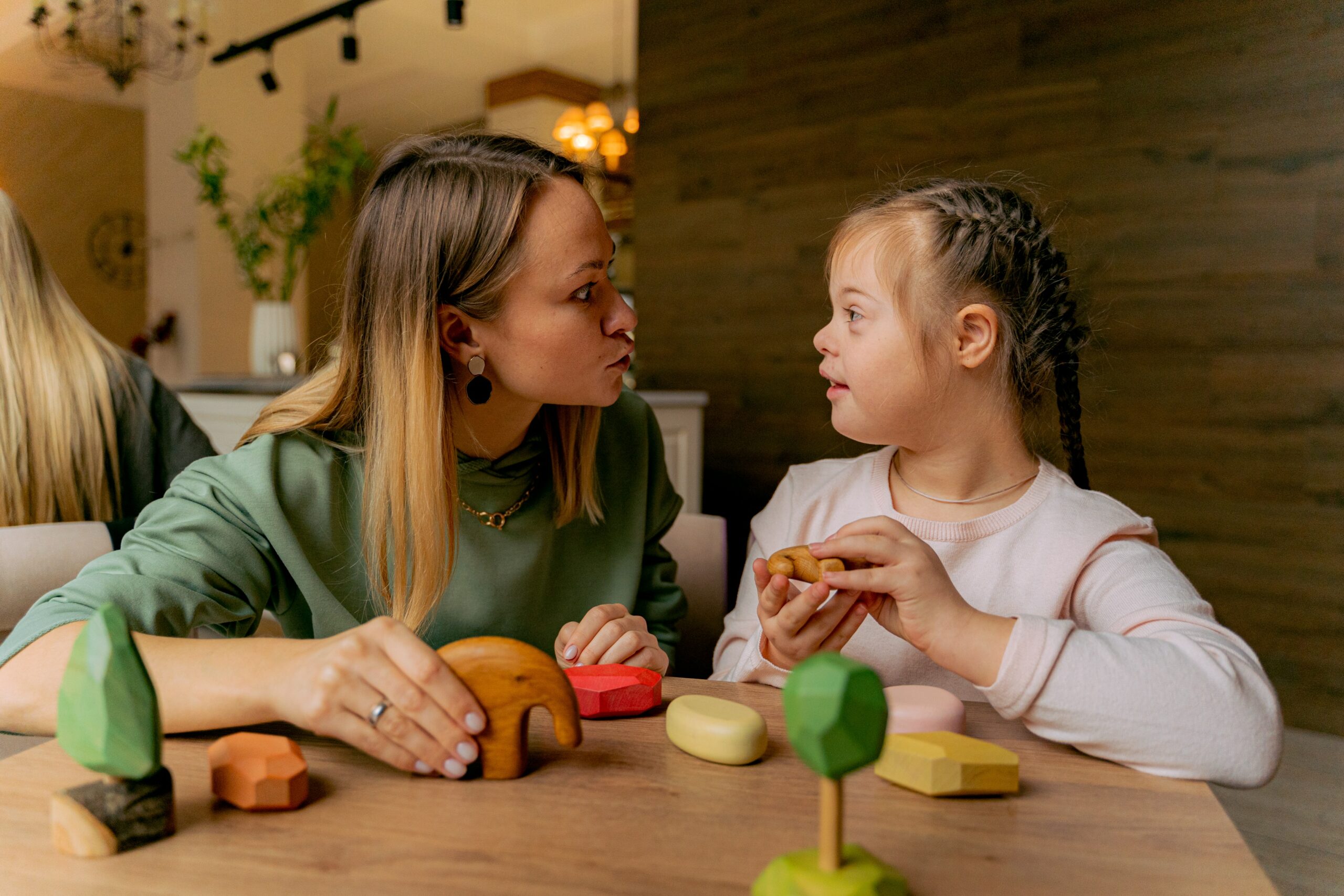
The STAR Program, which stands for "Strategies for Teaching based on Autism Research," is a comprehensive, evidence-based intervention program designed for children with autism spectrum disorder (ASD). It was developed by Dr. Joel Arick, Dr. Jacqueline Montgomery, and Dr. Alice Lin, and it's widely used in educational and clinical settings to support the learning and development of children with autism.
Here are some key features and components of the STAR Program:
- Structured and Visual Approach: STAR uses a structured and visual teaching approach that is well-suited for individuals with autism who often benefit from clear and predictable routines. Visual supports, such as visual schedules and visual cues, are integral to the program.
- Applied Behavior Analysis (ABA): STAR incorporates principles of ABA, a well-established therapeutic approach for autism. ABA techniques are used to teach new skills, reduce challenging behaviors, and promote positive social interactions.
- Individualized: The program is highly individualized to meet the unique needs of each child. It involves ongoing assessment and the development of specific goals and strategies tailored to the child's strengths and challenges.
- Social Skills Training: A significant focus of the STAR Program is on teaching social skills. This includes helping children with autism understand and engage in social interactions, communicate effectively, and develop appropriate social behaviors.
- Reinforcement: Positive reinforcement is used to motivate and reward desired behaviors and achievements. This can include the use of tokens, praise, or other rewards that are meaningful to the child.
- Data Collection: Data collection is an essential part of the program. Progress is regularly monitored and tracked to evaluate the effectiveness of interventions and make necessary adjustments to teaching strategies.
- Collaboration: The program encourages collaboration among educators, therapists, and parents or caregivers. It often involves training and support for parents to reinforce skills and strategies at home.
- Transition Planning: The STAR Program places a strong emphasis on preparing children for transitions, whether it's transitioning between activities, settings, or age-appropriate transitions to adulthood.
- Peer Interaction: Opportunities for interaction with typically developing peers are integrated into the program to promote social inclusion and generalize skills in real-world settings.
- Visual Supports: Visual supports, such as visual schedules, social stories, and visual cues, are used to help children with autism understand and navigate their environment more effectively.
Overall, the STAR Program is designed to be a comprehensive and adaptable intervention approach that takes into account the unique needs and strengths of each child with autism. It is implemented by trained professionals, often in school settings, to support children in acquiring essential skills for communication, social interaction, and daily living.